Composite Bonding Materials How Modern Dental Resins Perform
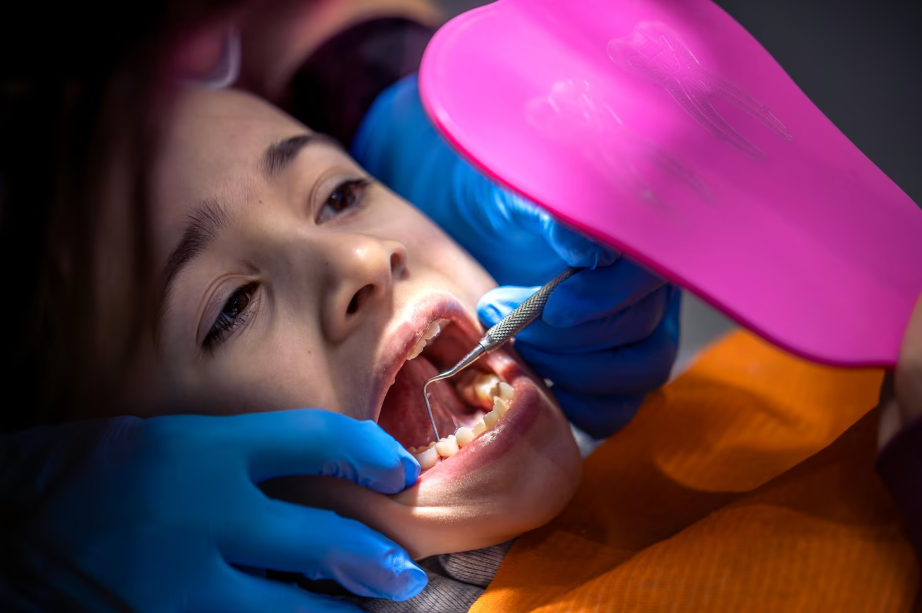
Composite bonding has become a cornerstone of cosmetic dentistry because it allows dentists to restore and enhance teeth with minimal intervention, giving patients a clear idea of how the procedure works step by step. At the heart of this procedure is the dental resin used in bonding. Understanding the materials, how they perform, and why modern composites are preferred helps patients appreciate the safety, durability, and aesthetic quality of their treatment.
What Composite Resin Is
Composite resin is a tooth-colored material made of a mixture of plastic and fine glass particles. It is designed to mimic the appearance of natural enamel while providing strength and flexibility. The resin can be sculpted directly onto the teeth to repair chips, close gaps, correct minor misalignments, and mask discoloration.
Modern dental resins are formulated to be biocompatible and durable. Clinical studies show that these materials bond reliably to enamel and dentin without causing long-term harm to the tooth. Their chemical stability ensures that once cured, the material does not leach harmful substances and maintains a consistent color over time.
How Modern Resins Perform
Advances in dental materials have significantly improved the performance of composite bonding, highlighting the benefits and limitations according to dentists. Modern resins are stronger and more wear-resistant than older formulations. This allows bonded areas to withstand normal biting and chewing forces without chipping or cracking.
These materials also exhibit excellent polishability, which means they can achieve a smooth, glossy finish that reflects light in a natural way. This feature is critical for anterior teeth where aesthetics are most important. Research shows that well-polished composites resist staining and plaque accumulation, helping maintain both appearance and oral health.
Aesthetic Properties
One of the key advantages of modern composite resins is their ability to match natural tooth color and translucency. Dentists can layer resins in different shades to replicate the subtle variations found in enamel. This technique ensures that the bonded tooth blends seamlessly with adjacent teeth.
Composite resins also allow for fine adjustments to shape and contour, giving dentists the flexibility to achieve a highly natural appearance. The ability to sculpt and polish the material carefully is one of the reasons bonding can be virtually undetectable.
Longevity and Durability
Studies indicate that composite bonding can last three to seven years or longer when placed correctly and maintained properly. Factors affecting durability include bite pressure, oral hygiene, and habits such as teeth grinding or biting hard objects. Modern resins have improved wear resistance and strength, which enhances the longevity of bonded restorations.
Repairing or refreshing composite bonding is also straightforward. Unlike porcelain veneers, which require replacement if damaged, composite resin can be added to or polished without removing the original material. This makes it a practical and flexible solution for both minor and moderate cosmetic issues.
Safety and Biocompatibility
Dental research confirms that composite resins are safe for use in the mouth. They are non-toxic, chemically stable, and compatible with gum and tooth tissues. Modern formulations have minimal shrinkage during curing, which reduces the risk of gaps between the resin and natural tooth. This helps prevent sensitivity, decay, or gum irritation.
Dentists also appreciate that composite bonding is a conservative procedure. Minimal enamel removal is needed, which preserves tooth structure and allows for future treatments if necessary. This adds to both the safety and long-term appeal of using modern dental resins.
Maintenance Tips for Bonded Teeth
Maintaining composite bonding is similar to caring for natural teeth, helping patients understand what to expect for chipped teeth. Patients should brush and floss regularly, avoid chewing very hard objects, and attend routine dental check-ups. Polishing during dental visits can restore shine and remove minor surface stains. Proper care helps maximize both the appearance and durability of the resin.
Conclusion
Modern dental resins have transformed composite bonding into a reliable, durable, and highly aesthetic cosmetic solution. Their ability to mimic natural enamel, withstand everyday forces, and allow for easy repairs makes bonding a practical choice for improving smiles. Patients can feel confident that modern composite materials provide both safety and long-lasting results when placed and cared for correctly.